Blackjack insurance can look like a helpful safety net, but it is usually one of blackjack’s poorest value bets. Understanding its cost, timing and expected return helps adults across Australia make an informed choice. For players in regional New South Wales, trust matters just as much as knowing the maths: clear account controls, credible support and visible responsible-play tools should be verified before any real-money session.
Security, Support and Player Safeguards
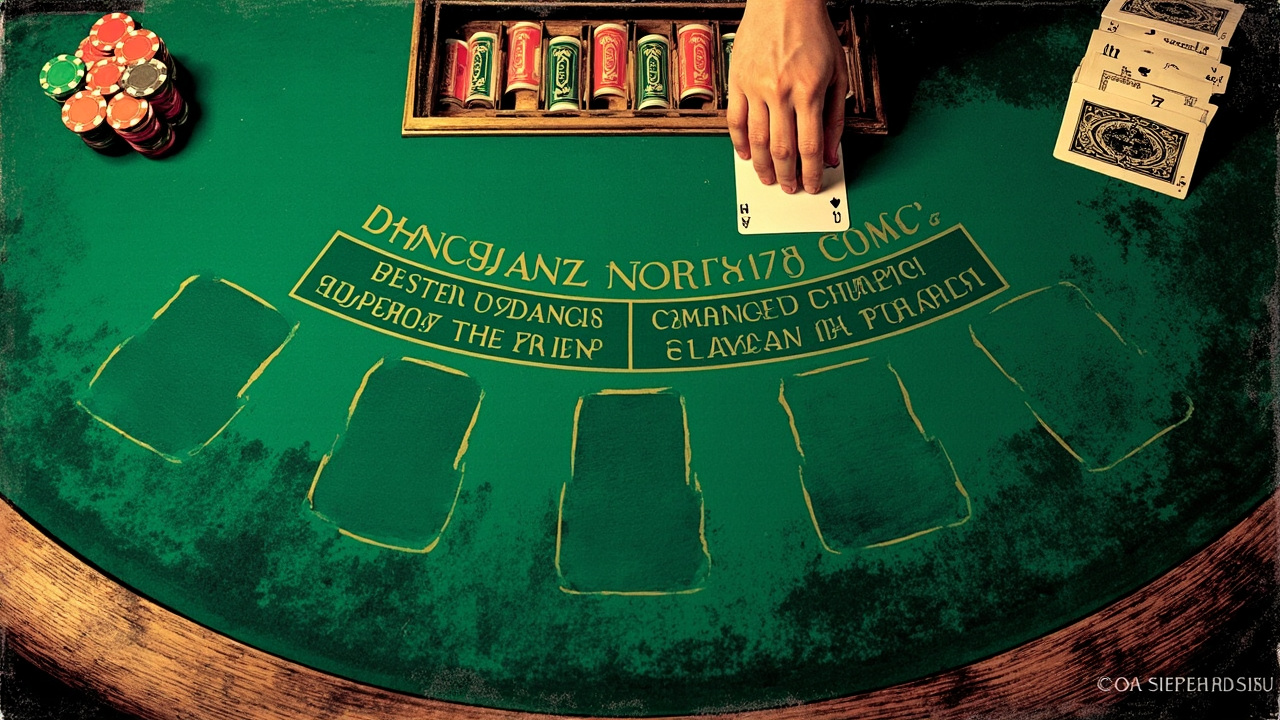
A blackjack insurance bet explained properly starts with the payout, not the marketing. When the dealer asks for insurance, the wager covers the dealer’s next card being a natural blackjack – a ten and an ace. The standard table limit may apply to the main hand, but the insurance stake is separate; confirm both amounts before deciding.
The standard payout is 2 to 1, so a winning insurance bet returns twice the amount staked in addition to the original wager. It is still generally a poor bet because a dealer blackjack occurs only about 4.8% of the time, requiring a stake of roughly half your original blackjack bet to break even. For more background, see https://clubhouse-casino-login-aus.com/.
For account trust, check who operates the casino, what jurisdiction licence covers the business, and which independent body publishes the licence details. A genuine operator should not rely only on a colourful logo or a vague promise of being “licensed”. Australian residents must also check the casino’s terms and the current position of interactive gambling authorities rather than assume overseas access is locally approved.
Useful safeguards include deposit limits, session reminders, reality checks and easy account closure. Privacy deserves equal attention: identity documents should be collected only when required, through a secure upload route, and never by an unsolicited email or social message. Support should be reachable by live chat and email, with published response times.
Ella Thompson, Affiliate Partnerships Director at Ironbark Compliance Advisory, says, “Players should be able to verify ownership, limits and support contacts without chasing a chatbot.” That is a sensible publishing standard. Any gambling business or gaming role claiming specialist credentials should have those details directly confirmed rather than accepted because they appeared in an affiliate profile. Likewise, a site’s blackjack rules, insurance terms and promotional conditions should be readable before funds are committed.
No worries, taking a few minutes is fair go rather than overcautious. The casino interface may feel busy, but a verified licence, explainable costs and practical account controls make the trade-offs easier to see.
What Insurance Costs and How It Is Assessed
Insurance costs half the amount wagered on the original hand, and it pays 2 to 1 if the dealer has blackjack. If the dealer does not have blackjack, the insurance wager loses. This means insurance does not protect the player’s main wager: it merely creates another bet on the dealer’s first two cards.

Suppose a player bets $100 and the dealer offers insurance. The insurance wager is $50. If the dealer then has blackjack, that wager returns $150 profit, but the original $100 hand still loses. If the dealer lacks blackjack, the main hand continues, while the $50 insurance stake is gone. That distinction is crucial, particularly for newcomers who hear “insurance” and interpret it as protection against losing the hand.
The commonly quoted analysis of insurance is not encouraging. Of the 10 possible two-card dealer combinations involving an ace and another card, four are blackjacks: ace-king, ace-queen, ace-ten and ace-ace. But not every ace is equally likely to remain the dealer’s upcard after the initial deal, because the number of visible cards changes the composition of the remaining deck.
A published basic-strategy chart may show that having a 16 against a dealer ace is one situation in which insurance is considered. Even then, the decision depends on the precise rule set, including how the dealer stands on soft 17 and whether blackjack pays 2 to 1. A chart is a decision aid, not a promise. Players should check that its table matches the casino’s actual rules.
Before accepting insurance, verify three things:
- The insurance amount is half the original wager.
- The payout is clearly stated as 2 to 1.
- The casino’s blackjack rules match those used in any strategy table.
If any detail is unclear, decline the side bet and ask support to confirm the rule. Refusing insurance never changes the result of the main hand; it simply avoids an additional wager with a steep house edge.
When a Side Bet Fits a Player’s Needs
A blackjack insurance bet explained for practical play should separate mathematical expectations from personal limits. Insurance can return a profit in the correct outcome, but profitability in one situation does not make the wager good value. The relevant question is whether the expected return justifies the stake over enough hands.
Budgeting is especially important. A table limit of $200 applies to the original wager, while a $100 insurance bet adds a 50% cost if the player accepts it. A single additional round can therefore consume money that was intended for the main game. Set a session deposit limit in advance, keep it realistic, and use reality checks to track time and net results rather than chasing a previous loss.
Players should also consider the product around the feature. For example, suppose an Australian-facing casino brand called RiverGum Table offers blackjack with explicit insurance disclosure, AUD account balances, live support and a responsible-play dashboard. Its mobile registration might require an email address, date of birth and verification before withdrawal; loyalty points might apply only to eligible table play. Those are usable details – but each claim would still need direct verification before publication.
Georgia Roberts, Digital Acquisition Director at Southern Capital Advisory, cautions, “A generous bonus does not repair unclear wagering conditions or weak account controls.” Promotions can matter, yet free play, cashback or loyalty rewards should not obscure the cost of insurance. If a bonus cannot be used on side bets, or has a withdrawal condition, read the terms carefully.
For someone wanting to understand a blackjack insurance bet explained through an Australian interface, the operator’s rules should use familiar language, show AUD clearly and provide accessible support. Never deposit merely to test a feature. Use the site’s information, ask questions, and walk away if the terms are not clear.
A Measured Verdict for Adult Players
Insurance is a separate, costly proposition – not ordinary blackjack insurance as harmless cover. Its 2-to-1 payout can mislead players into expecting value, while the house edge remains substantial. Strong security, transparent licensing, responsive support, privacy practices and account limits are worthwhile safeguards, but they do not make an unfavourable wager favourable. For adults in regional New South Wales, the sound approach is to verify the operator, understand the exact rules, set firm limits and treat insurance as optional rather than protective. A fair go means checking first, not assuming.
Before publishing any casino recommendation, compare the operator’s licensing evidence, support access and account-control claims with direct records rather than trusting an affiliate description alone. Players should confirm that the site is lawful to use from their location, read the full terms and choose only a properly regulated operator; no system can guarantee winnings or make real-money gambling risk-free.